Buy lover.uk ?
We are moving the project
lover.uk .
Are you interested in purchasing the domain
lover.uk ?
domain@kv-gmbh.de · 0541-91531010
Buy lover.uk ?
'Genitive or accusative?'
The genitive case is used to show possession or relationship between nouns, while the accusative case is used to show the direct object of a verb. In general, the genitive case is used to indicate ownership or association, while the accusative case is used to indicate the direct object of a verb or the object of a preposition. The choice between genitive and accusative depends on the specific context and the grammatical rules of the language being used. **
Dative or accusative?
Dative and accusative are two different cases in grammar that indicate the relationship between a verb and its object. The dative case is used to show the indirect object of a verb, while the accusative case is used to show the direct object. To determine whether to use dative or accusative, you need to consider the verb in the sentence and identify whether the object is receiving the action directly (accusative) or indirectly (dative). **


Similar search terms for Accusative
Top-Angebote
Products related to Accusative:
-
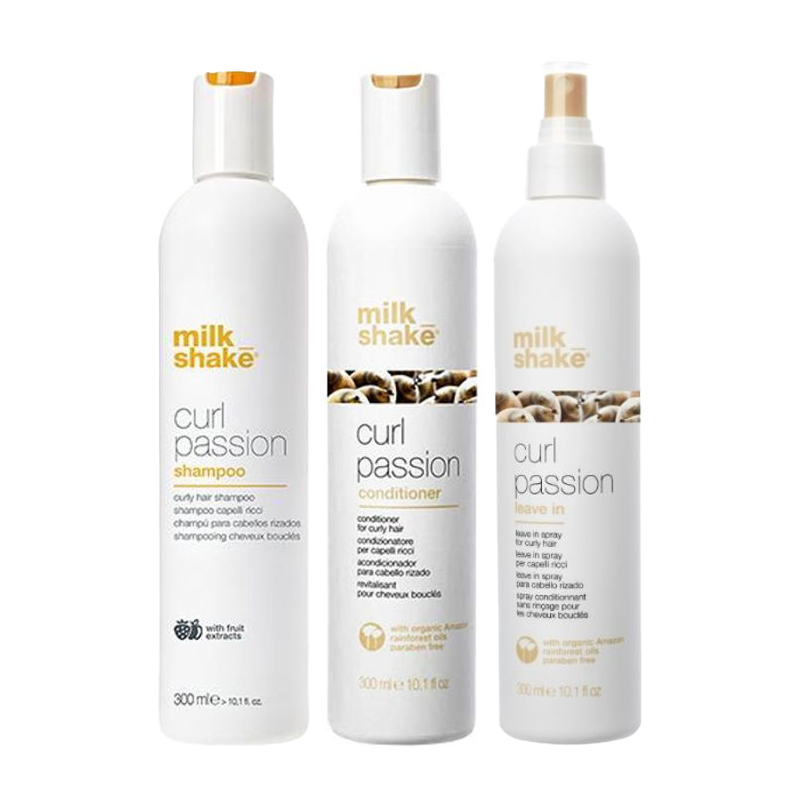
milk_shake curl passion shampoo 300ml, curl passion conditioner 300ml,Gently cleanse your hair while caring for your curls with this curly cleansing and conditioning pack from milk_shake. With professional-standard oils and natural ingredients, the Curl Passion Shampoo by milk_shake reinforces your hair's natural shape and eliminates frizz so it looks and feels stronger and healthier than ever. Enriched with organic milk and quinoa proteins as well as fruit extracts and organic pracaxi and babassu oils, the milk_shake Curl Passion Conditioner boosts softness and manageability, without weighing the hair down. The brand new milk_shake Leave In Conditioning Treatment is a treatment spray to help make curls soft, bouncy, flexible and long-lasting. Ingredients Shampoo: Aqua (Water), Sodium Coceth Sulfate, Disodium Laureth Sulfosuccinate, Cocamidopropyl Betaine, Acrylates Copolymer, Sucrose Cocoate, Glycerin, Sorbitol, Citrus Grandis (Grapefruit) Fruit Extract, Pyrus Malus (Apple) Fruit Extract, Prunus Persica (Peach) Fruit Extract, Sodium Hyaluronate, Styrene/Acrylates Copolymer, Xanthan Gum, Polyquaternium-7, Propylene Glycol, Guar Hydroxypropyltrimonium Chloride, Linalool, Hexyl Cinnamal, Limonene, Citronellol, Parfum (Fragrance), Citric Acid, Disodium EDTA, Phenoxyethanol, Methylisothiazolinone, Potassium Sorbate, Sodium Benzoate, CI 19140 (Yellow 5), CI 15985 (Yellow 6). Conditioner: Aqua (Water), Cetearyl Alcohol, Propylene Glycol, Behentrimonium Chloride, Glycerin, Butyrospermum Parkii (Shea) Butter, Cetrimonium Chloride, PEG-8 Dimethicone, Tocopheryl Acetate, Polyquaternium-28, Panthenol, Hydrolyzed Milk Protein, Hydrolyzed Quinoa, Helianthus Annuus (Sunflower) Seed Extract, Citrus Limon (Lemon) Fruit Extract, Vaccinium Myrtillus Fruit Extract, Pyrus Malus (Apple) Fruit Extract, Orbignya Oleifera Seed Oil, Pentaclethra Macroloba Seed Oil, Ethylhexyl Methoxycinnamate, Diethylamino Hydroxybenzoyl Hexyl Benzoate Parfum (Fragrance), Phenoxyethanol, Ethylhexylglycerin, Isopropyl Alcohol, Citric Acid, Sodium Benzoate, Potassium Sorbate, Butylene Glycol, Benzyl Alcohol, Glycine, Sodium Lactate, Sodium Citrate, Tocopherol, Benzyl Benzoate, Hexyl Cinnamal, Limonene, Caprylyl Glycol. Leave In: Aqua (Water), PEG-40 Hydrogenated Castor Oil, Amodimethicone, Cetrimonium Chloride, Polyester-37, Polyquaternium-22, Hydrolyzed Milk Protein, Trideceth-12, Hydrolyzed Quinoa, Helianthus Annuus (Sunflower) Seed Extract, Citrus Limon (Lemon) Fruit Extract, Vaccinium Myrtillus Fruit Extract, Pyrus Malus (Apple) Fruit Extract, Orbignya Oleifera Seed Oil, Pentaclethra Macroloba Seed Oil, Parfum (Fragrance), Phenoxyethanol, Caprylyl Glycol, Citric Acid, Butylene Glycol, Benzyl Alcohol, Tocopherol, Amyl Cinnamal, Benzyl Benzoate, Benzyl Salicylate, Citronellol, Coumarin, Geraniol, Hexyl Cinnamal, Limonene, Linalool. Perfectionist: Aqua (Water), Cyclopentasiloxane, Polysorbate 60, Glycerin, Myristyl Alcohol, Cetyl Alcohol, Stearyl Alcohol, PVP, Hydroxypropyl Starch Phosphate, Polyquaternium-10, Parfum (Fragrance), Phenoxyethanol, Sodium...81,72 £*Shipping: 0,00 £Secure redirect to the provider
-
milk_shake curl passion shampoo 300ml, curl passion conditioner 300mlGently cleanse your hair while caring for your curls with this curly cleansing and conditioning pack from milk_shake. With professional-standard oils and natural ingredients, the Curl Passion Shampoo by milk_shake reinforces your hair's natural shape and eliminates frizz so it looks and feels stronger and healthier than ever. Enriched with organic milk and quinoa proteins as well as fruit extracts and organic pracaxi and babassu oils, the milk_shake Curl Passion Conditioner boosts softness and manageability, without weighing the hair down. The brand new milk_shake Leave In Conditioning Treatment is a treatment spray to help make curls soft, bouncy, flexible and long-lasting. Ingredients Leave In: Aqua (Water), PEG-40 Hydrogenated Castor Oil, Amodimethicone, Cetrimonium Chloride, Polyester-37, Polyquaternium-22, Hydrolyzed Milk Protein, Trideceth-12, Hydrolyzed Quinoa, Helianthus Annuus (Sunflower) Seed Extract, Citrus Limon (Lemon) Fruit Extract, Vaccinium Myrtillus Fruit Extract, Pyrus Malus (Apple) Fruit Extract, Orbignya Oleifera Seed Oil, Pentaclethra Macroloba Seed Oil, Parfum (Fragrance), Phenoxyethanol, Caprylyl Glycol, Citric Acid, Butylene Glycol, Benzyl Alcohol, Tocopherol, Amyl Cinnamal, Benzyl Benzoate, Benzyl Salicylate, Citronellol, Coumarin, Geraniol, Hexyl Cinnamal, Limonene, Linalool.60,17 £*Shipping: 0,00 £Secure redirect to the provider
-
Nourison Desire Indoor Silver Abstract Area RugMake a bold statement with this abstract rug from the Desire Collection. Presented in neutral shades of grey and silver, it features a crisscross linear pattern with carved accents that add depth.205,00 $*Shipping: 0,00 $Secure redirect to the provider



-
Genitive or accusative?
The genitive case is used to show possession or relationship between nouns, while the accusative case is used to show the direct object of a verb or the object of certain prepositions. In general, the genitive case is used to indicate possession or belonging, while the accusative case is used to indicate the direct object of a verb or the object of a preposition. The choice between genitive and accusative depends on the specific context and the grammatical rules of the language being used. **
-
Whom or what accusative?
The accusative case is used to indicate the direct object of a verb in a sentence. It answers the question "whom" or "what" is receiving the action of the verb. In English, the accusative case is often marked by word order or prepositions, while in some languages, such as Latin or German, it is marked by changes in the form of the noun or pronoun. **
-
Tolerate dative or accusative?
Whether to use the dative or accusative case in German depends on the verb being used and the prepositions that accompany it. Some verbs require the dative case, such as helfen (to help) or danken (to thank), while others require the accusative case, such as sehen (to see) or essen (to eat). It is important to learn which case each verb requires in order to use the correct form in a sentence. **
-
What is a subject accusative?
A subject accusative is a linguistic phenomenon where the direct object of a verb is marked with the accusative case, typically in languages that have a nominative-accusative alignment. This can occur in languages like Latin or Greek, where the accusative case is used to mark the direct object of a transitive verb. In these cases, the subject of the sentence is in the nominative case, while the direct object takes the accusative case. **

Nominative or accusative in Latin?
In Latin, the nominative case is used for the subject of a sentence, while the accusative case is used for the direct object. The nominative case is also used for predicate nominatives, which rename the subject. The accusative case is used for nouns that receive the action of the verb. **
What is the difference between accusative and accusative object, and dative and dative object?
The accusative case is used to indicate the direct object of a verb, while the accusative object is the noun or pronoun that receives the action of the verb. For example, in the sentence "I see the dog," "the dog" is in the accusative case and is the accusative object. Similarly, the dative case is used to indicate the indirect object of a verb, while the dative object is the noun or pronoun that receives the action indirectly. For example, in the sentence "I give the book to her," "her" is in the dative case and is the dative object. **
Top-Angebote
Products related to Accusative:
-
Youfap Market Memory Foam Wedge, Couple Pillow For Intimacy & Support, Lumbar Neck Support Memory Foam Wedge, Couple Pillow For Intimacy & Support, Lumbar Neck SupportUltimate Comfort and Support for Intimacy Designed for couples seeking better comfort, the Couple Pillow for Intimacy & Support features a memory foam wedge that helps achieve the perfect position during intimate moments. Its unique shape promotes...99,97 $*Shipping: 0,00 $Secure redirect to the provider
-
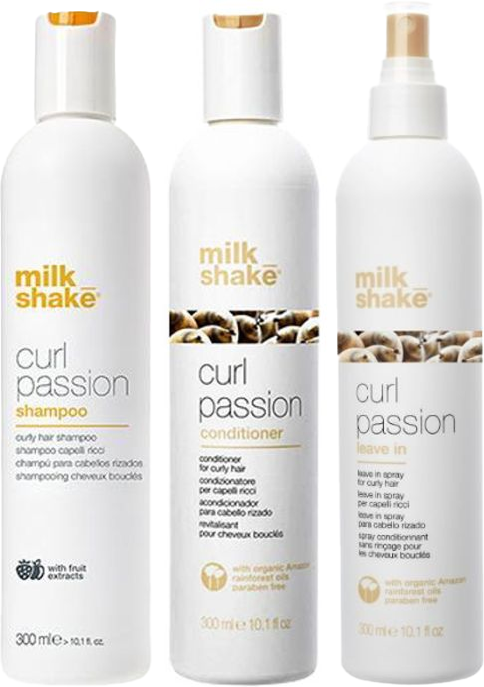
milk_shake curl passion shampoo 300ml, curl passion conditioner 300ml,Gently cleanse your hair while caring for your curls with this curly cleansing and conditioning pack from milk_shake. With professional-standard oils and natural ingredients, the Curl Passion Shampoo by milk_shake reinforces your hair's natural shape and eliminates frizz so it looks and feels stronger and healthier than ever. Enriched with organic milk and quinoa proteins as well as fruit extracts and organic pracaxi and babassu oils, the milk_shake Curl Passion Conditioner boosts softness and manageability, without weighing the hair down. The brand new milk_shake Leave In Conditioning Treatment is a treatment spray to help make curls soft, bouncy, flexible and long-lasting. Ingredients Shampoo: Aqua (Water), Sodium Coceth Sulfate, Disodium Laureth Sulfosuccinate, Cocamidopropyl Betaine, Acrylates Copolymer, Sucrose Cocoate, Glycerin, Sorbitol, Citrus Grandis (Grapefruit) Fruit Extract, Pyrus Malus (Apple) Fruit Extract, Prunus Persica (Peach) Fruit Extract, Sodium Hyaluronate, Styrene/Acrylates Copolymer, Xanthan Gum, Polyquaternium-7, Propylene Glycol, Guar Hydroxypropyltrimonium Chloride, Linalool, Hexyl Cinnamal, Limonene, Citronellol, Parfum (Fragrance), Citric Acid, Disodium EDTA, Phenoxyethanol, Methylisothiazolinone, Potassium Sorbate, Sodium Benzoate, CI 19140 (Yellow 5), CI 15985 (Yellow 6). Conditioner: Aqua (Water), Cetearyl Alcohol, Propylene Glycol, Behentrimonium Chloride, Glycerin, Butyrospermum Parkii (Shea) Butter, Cetrimonium Chloride, PEG-8 Dimethicone, Tocopheryl Acetate, Polyquaternium-28, Panthenol, Hydrolyzed Milk Protein, Hydrolyzed Quinoa, Helianthus Annuus (Sunflower) Seed Extract, Citrus Limon (Lemon) Fruit Extract, Vaccinium Myrtillus Fruit Extract, Pyrus Malus (Apple) Fruit Extract, Orbignya Oleifera Seed Oil, Pentaclethra Macroloba Seed Oil, Ethylhexyl Methoxycinnamate, Diethylamino Hydroxybenzoyl Hexyl Benzoate Parfum (Fragrance), Phenoxyethanol, Ethylhexylglycerin, Isopropyl Alcohol, Citric Acid, Sodium Benzoate, Potassium Sorbate, Butylene Glycol, Benzyl Alcohol, Glycine, Sodium Lactate, Sodium Citrate, Tocopherol, Benzyl Benzoate, Hexyl Cinnamal, Limonene, Caprylyl Glycol. Leave In: Aqua (Water), PEG-40 Hydrogenated Castor Oil, Amodimethicone, Cetrimonium Chloride, Polyester-37, Polyquaternium-22, Hydrolyzed Milk Protein, Trideceth-12, Hydrolyzed Quinoa, Helianthus Annuus (Sunflower) Seed Extract, Citrus Limon (Lemon) Fruit Extract, Vaccinium Myrtillus Fruit Extract, Pyrus Malus (Apple) Fruit Extract, Orbignya Oleifera Seed Oil, Pentaclethra Macroloba Seed Oil, Parfum (Fragrance), Phenoxyethanol, Caprylyl Glycol, Citric Acid, Butylene Glycol, Benzyl Alcohol, Tocopherol, Amyl Cinnamal, Benzyl Benzoate, Benzyl Salicylate, Citronellol, Coumarin, Geraniol, Hexyl Cinnamal, Limonene, Linalool. Perfectionist: Aqua (Water), Cyclopentasiloxane, Polysorbate 60, Glycerin, Myristyl Alcohol, Cetyl Alcohol, Stearyl Alcohol, PVP, Hydroxypropyl Starch Phosphate, Polyquaternium-10, Parfum (Fragrance), Phenoxyethanol, Sodium...81,72 £*Shipping: 0,00 £Secure redirect to the provider
-
milk_shake curl passion shampoo 300ml, curl passion conditioner 300mlGently cleanse your hair while caring for your curls with this curly cleansing and conditioning pack from milk_shake. With professional-standard oils and natural ingredients, the Curl Passion Shampoo by milk_shake reinforces your hair's natural shape and eliminates frizz so it looks and feels stronger and healthier than ever. Enriched with organic milk and quinoa proteins as well as fruit extracts and organic pracaxi and babassu oils, the milk_shake Curl Passion Conditioner boosts softness and manageability, without weighing the hair down. The brand new milk_shake Leave In Conditioning Treatment is a treatment spray to help make curls soft, bouncy, flexible and long-lasting. Ingredients Leave In: Aqua (Water), PEG-40 Hydrogenated Castor Oil, Amodimethicone, Cetrimonium Chloride, Polyester-37, Polyquaternium-22, Hydrolyzed Milk Protein, Trideceth-12, Hydrolyzed Quinoa, Helianthus Annuus (Sunflower) Seed Extract, Citrus Limon (Lemon) Fruit Extract, Vaccinium Myrtillus Fruit Extract, Pyrus Malus (Apple) Fruit Extract, Orbignya Oleifera Seed Oil, Pentaclethra Macroloba Seed Oil, Parfum (Fragrance), Phenoxyethanol, Caprylyl Glycol, Citric Acid, Butylene Glycol, Benzyl Alcohol, Tocopherol, Amyl Cinnamal, Benzyl Benzoate, Benzyl Salicylate, Citronellol, Coumarin, Geraniol, Hexyl Cinnamal, Limonene, Linalool.60,17 £*Shipping: 0,00 £Secure redirect to the provider
-
'Genitive or accusative?'
The genitive case is used to show possession or relationship between nouns, while the accusative case is used to show the direct object of a verb. In general, the genitive case is used to indicate ownership or association, while the accusative case is used to indicate the direct object of a verb or the object of a preposition. The choice between genitive and accusative depends on the specific context and the grammatical rules of the language being used. **
-
Dative or accusative?
Dative and accusative are two different cases in grammar that indicate the relationship between a verb and its object. The dative case is used to show the indirect object of a verb, while the accusative case is used to show the direct object. To determine whether to use dative or accusative, you need to consider the verb in the sentence and identify whether the object is receiving the action directly (accusative) or indirectly (dative). **
-
Genitive or accusative?
The genitive case is used to show possession or relationship between nouns, while the accusative case is used to show the direct object of a verb or the object of certain prepositions. In general, the genitive case is used to indicate possession or belonging, while the accusative case is used to indicate the direct object of a verb or the object of a preposition. The choice between genitive and accusative depends on the specific context and the grammatical rules of the language being used. **
-
Whom or what accusative?
The accusative case is used to indicate the direct object of a verb in a sentence. It answers the question "whom" or "what" is receiving the action of the verb. In English, the accusative case is often marked by word order or prepositions, while in some languages, such as Latin or German, it is marked by changes in the form of the noun or pronoun. **
Similar search terms for Accusative
-
Nourison Desire Indoor Silver Abstract Area RugMake a bold statement with this abstract rug from the Desire Collection. Presented in neutral shades of grey and silver, it features a crisscross linear pattern with carved accents that add depth.205,00 $*Shipping: 0,00 $Secure redirect to the provider
-
Kaspersky VPN Secure ConnectionWith Kaspersky VPN Secure Connection you can browse securely and anonymously online, at industry-leading speed, and unlock global content without restrictions from anywhere. The VPN selects the fastest server for you from 2000+ options in your choice of 70+ territories.Kaspersky VPN Secure Connection can be used on Windows, macOS, Android, iOS operating systems. Kaspersky VPN Secure Connection features: Privacy IThe VPN hides your identity and online activity from businesses and governments recording your behavior. IP address masking. Your unique IP will be masked by servers, ensuring no one can trace back your devices and geolocation Protection for sensitive apps only. You can choose which data to encrypt with VPN – such as data in your banking and social apps – while allowing other apps to access the Internet directly. Zero activity logs. Search and browse without anything or anyone keeping digital records of your activity and history. Security Encrypted data. Military-grade 256 bit encryption prevents criminals from stealing the data which you send and receive. Whether you do shopping, banking, video calls or emails, hackers can never intercept and steal your data. Safe banking. Data encryption also ensures that your online banking and payment details can never be intercepted. Security for your home WiFi. Any device that you connect to your home broadband is automatically covered. Freedom Ultra-fast connection. By using our fast VPN servers, nothing can slow you down online. No geo-restrictions. Access your favorite shows, movies & websites from anywhere in the world.20,90 £*Shipping: 0,00 £Secure redirect to the provider
-
milk_shake curl passion shampoo 300ml, curl passion conditioner 300mlGently cleanse your hair while caring for your curls with this curly cleansing and conditioning pack from milk_shake. With professional-standard oils and natural ingredients, the Curl Passion Shampoo by milk_shake reinforces your hair's natural shape and eliminates frizz so it looks and feels stronger and healthier than ever. Enriched with organic milk and quinoa proteins as well as fruit extracts and organic pracaxi and babassu oils, the milk_shake Curl Passion Conditioner boosts softness and manageability, without weighing the hair down. The brand new milk_shake Leave In Conditioning Treatment is a treatment spray to help make curls soft, bouncy, flexible and long-lasting. Ingredients Leave In: Aqua (Water), PEG-40 Hydrogenated Castor Oil, Amodimethicone, Cetrimonium Chloride, Polyester-37, Polyquaternium-22, Hydrolyzed Milk Protein, Trideceth-12, Hydrolyzed Quinoa, Helianthus Annuus (Sunflower) Seed Extract, Citrus Limon (Lemon) Fruit Extract, Vaccinium Myrtillus Fruit Extract, Pyrus Malus (Apple) Fruit Extract, Orbignya Oleifera Seed Oil, Pentaclethra Macroloba Seed Oil, Parfum (Fragrance), Phenoxyethanol, Caprylyl Glycol, Citric Acid, Butylene Glycol, Benzyl Alcohol, Tocopherol, Amyl Cinnamal, Benzyl Benzoate, Benzyl Salicylate, Citronellol, Coumarin, Geraniol, Hexyl Cinnamal, Limonene, Linalool.60,17 £*Shipping: 0,00 £Secure redirect to the provider
-
Tolerate dative or accusative?
Whether to use the dative or accusative case in German depends on the verb being used and the prepositions that accompany it. Some verbs require the dative case, such as helfen (to help) or danken (to thank), while others require the accusative case, such as sehen (to see) or essen (to eat). It is important to learn which case each verb requires in order to use the correct form in a sentence. **
-
What is a subject accusative?
A subject accusative is a linguistic phenomenon where the direct object of a verb is marked with the accusative case, typically in languages that have a nominative-accusative alignment. This can occur in languages like Latin or Greek, where the accusative case is used to mark the direct object of a transitive verb. In these cases, the subject of the sentence is in the nominative case, while the direct object takes the accusative case. **
-
Nominative or accusative in Latin?
In Latin, the nominative case is used for the subject of a sentence, while the accusative case is used for the direct object. The nominative case is also used for predicate nominatives, which rename the subject. The accusative case is used for nouns that receive the action of the verb. **
-
What is the difference between accusative and accusative object, and dative and dative object?
The accusative case is used to indicate the direct object of a verb, while the accusative object is the noun or pronoun that receives the action of the verb. For example, in the sentence "I see the dog," "the dog" is in the accusative case and is the accusative object. Similarly, the dative case is used to indicate the indirect object of a verb, while the dative object is the noun or pronoun that receives the action indirectly. For example, in the sentence "I give the book to her," "her" is in the dative case and is the dative object. **
* All prices are inclusive of VAT and, if applicable, plus shipping costs. The offer information is based on the details provided by the respective shop and is updated through automated processes. Real-time updates do not occur, so deviations can occur in individual cases. ** Note: Parts of this content were created by AI.