Buy lover.uk ?
We are moving the project
lover.uk .
Are you interested in purchasing the domain
lover.uk ?
domain@kv-gmbh.de · 0541-91531010
Buy lover.uk ?
Can heterosexual women desire intimacy?
Yes, heterosexual women can desire intimacy. Intimacy is a fundamental human need and can be desired by individuals of any sexual orientation. Heterosexual women, like anyone else, may seek emotional, physical, and spiritual closeness with their partners. Intimacy can be an important aspect of a healthy and fulfilling relationship for heterosexual women. **
Is my desire for affection justified?
Your desire for affection is absolutely justified. Human beings have an innate need for connection and intimacy, and seeking affection is a natural and healthy part of being human. It's important to recognize and honor your emotional needs, and seeking affection can contribute to your overall well-being and happiness. It's okay to want and seek out affection from others, and it's important to communicate your needs and boundaries in relationships. **

Similar search terms for Simple
Top-Angebote
Products related to Simple:
-
Jungle Way Passion, Love, Connection incense 15 gJungle Way Passion, Love, Connection, 15 g, Olibanum and incenses Home Scents, The Jungle Way Passion, Love, Connection incense will help you bring positive associations into your everyday life. Gentle smoke and harmonizing fragrances provide a powerful aromatherapy experience combined with a relaxing atmosphere. Turn your home into an oasis full of purifying fragrances which will help you find inner peace and forget about the stress of everyday life. Characteristics: a spicy aroma a sweet aroma a warm fragrance special insect repellent mixture fills the room with a harmonizing fragrance How to use: Keep out of the reach of children and pets. Never leave incense with burning charcoal unattended. Always use incense specifically for burning. Extinguish with water. Follow the instructions included. Light the incense, let it burn for a moment, then blow it out. Always use in a well-ventilated room.11,90 £*Shipping: 3,99 £Secure redirect to the provider
-
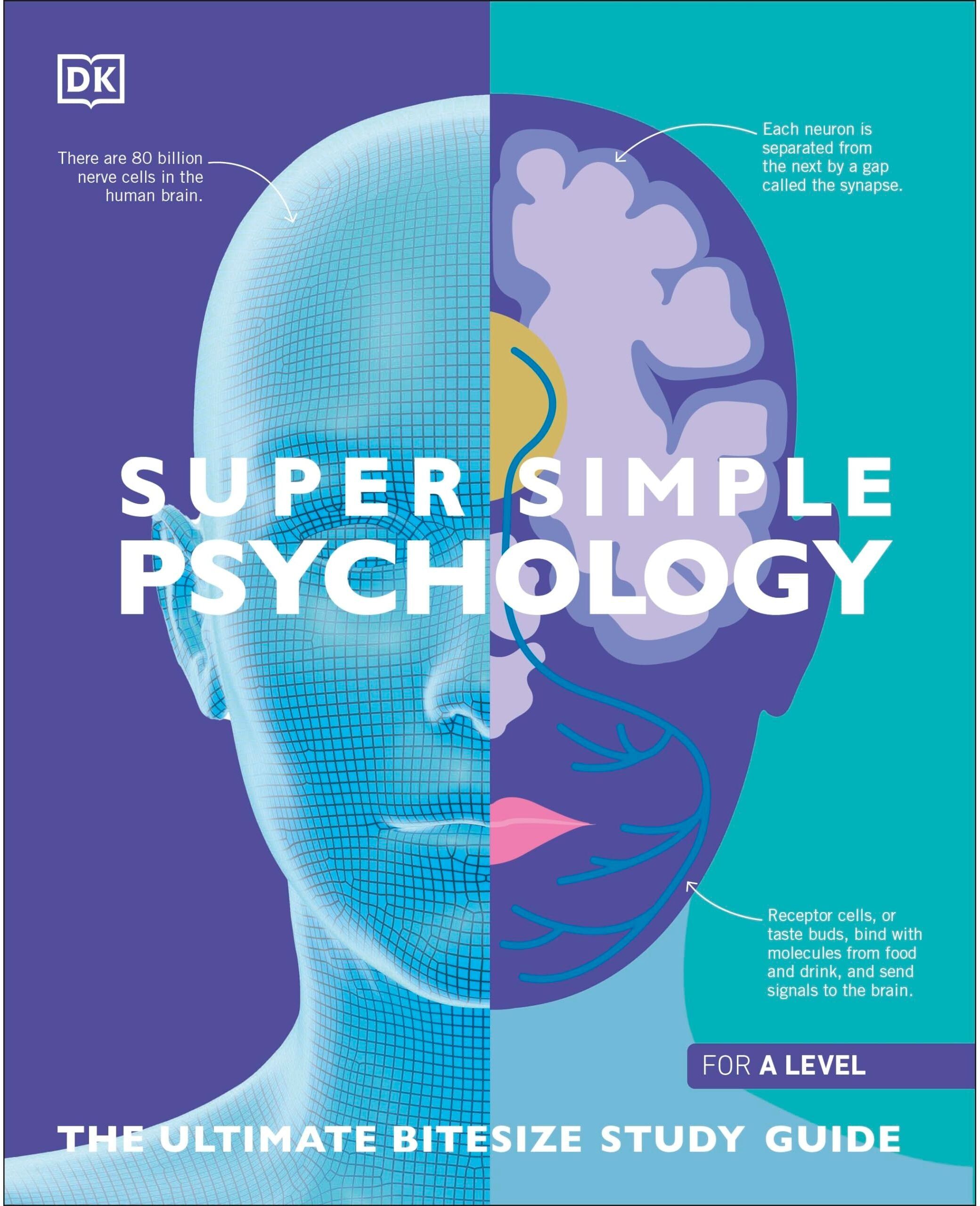
Super Simple Psychology: The Ultimate Bitesize Study Guide (DK Super Simple)Expand your Psychology knowledge with this easy-to-use study guide which has everything A Level students need to get to grips with this fascinating subject. Super Simple Psychology breaks down complex information into manageable, bitesize chunks, and it covers all the key topics, ranging from brain anatomy and memory to phobias and types of therapy. With clear and straightforward coverage of all the core Psychology topics, this is the ideal companion for students looking for concise information to support them with classwork, homework, and exams. This psychology study guide offers: - Material that supports A Level and International Baccalaureate curriculum, complementing coursework and exam revision. - An easy-to-use layout, with one topic per page and key facts for every topic. - Visual explanations that help tackle complex topics and make learning straightforward. Super Simple Psychology contains all the essential topics for A Level Psychology in one handy study guide. Each page covers one topic and is designed and illustrated to make the facts easy to understand and remember and to bring the subject to life. Information panels explain and analyse key theories and studies with the help of simple graphics and a useful "Key facts" box on every page provides a summary to help with revision.6,79 £*Shipping: 2,99 £Secure redirect to the provider


-
Is Simple Present and Present Simple the same thing?
Yes, "Simple Present" and "Present Simple" are the same thing. They both refer to the tense used to describe actions that happen regularly, habits, general truths, and scheduled events in the present time. Both terms can be used interchangeably to describe the basic present tense in English grammar. **
-
Can you help me form or rearrange simple sentences in the Simple Present and Simple Past?
Yes, I can help you form or rearrange simple sentences in the Simple Present and Simple Past. For example, in the Simple Present, you can say "I eat breakfast every morning" or "She goes to the gym after work." In the Simple Past, you can say "I visited my friend yesterday" or "They watched a movie last night." If you have specific sentences you'd like help with, feel free to provide them and I can assist you in forming or rearranging them. **
-
What is the difference between Simple Past and Simple Present?
The main difference between Simple Past and Simple Present is the timeframe they refer to. Simple Present is used to talk about actions that are happening now or regularly occur, while Simple Past is used to talk about actions that were completed in the past. In Simple Present, the verb is in its base form or with an -s ending for third person singular subjects, while in Simple Past, regular verbs end in -ed and irregular verbs have specific past tense forms. **
-
How do I differentiate between Simple Past and Simple Present?
To differentiate between Simple Past and Simple Present, you need to look at the timing of the action. Simple Past is used to talk about actions that happened in the past and are completed. It is formed by adding -ed to regular verbs or using the past form of irregular verbs. On the other hand, Simple Present is used to talk about actions that are happening now, habitual actions, general truths, or scheduled future events. It is formed by using the base form of the verb. By paying attention to the timing of the action and the form of the verb, you can easily differentiate between Simple Past and Simple Present. **


How do I distinguish between Simple Past and Simple Present?
The Simple Past tense is used to talk about actions that were completed in the past, while the Simple Present tense is used to talk about actions that are happening in the present. To distinguish between the two, look for keywords such as "yesterday," "last week," or specific times that indicate the action happened in the past, which would indicate the use of Simple Past. On the other hand, if the sentence includes words like "now," "currently," or general time markers, it is likely using Simple Present. Additionally, pay attention to the verb forms - Simple Past verbs often end in "-ed" or have irregular forms, while Simple Present verbs typically end in "-s" in the third person singular form. **
What is the difference again between Simple Past and Simple Present?
The simple present tense is used to describe actions that are happening right now or regularly occurring actions. For example, "I eat breakfast every morning." On the other hand, the simple past tense is used to describe actions that have already happened in the past. For example, "I ate breakfast yesterday." In summary, the simple present tense is used for present actions or habits, while the simple past tense is used for actions that have already occurred in the past. **
Top-Angebote
Products related to Simple:
-
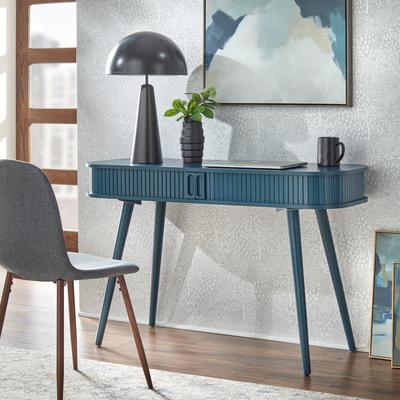
Simple Living Connection DeskThe Connection Desk by Simple Living gives you space for productivity in an attractive package. Crafted with metal legs and a laminated MDF desk top, this desk has a sleek contemporary design that will enhance your home office.49,99 $*Shipping: 0,00 $Secure redirect to the provider
-
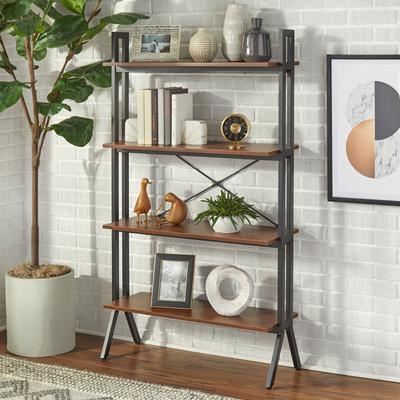
Simple Living Connection 4-Tier BookshelfThe Connection 4-Tier Bookshelf by Simple Living is a great addition to nearly any room, from your home office to the living room. In the office, it's perfect for storing your binders, printer paper and other supplies.99,29 $*Shipping: 0,00 $Secure redirect to the provider
-
Jungle Way Passion, Love, Connection incense 15 gJungle Way Passion, Love, Connection, 15 g, Olibanum and incenses Home Scents, The Jungle Way Passion, Love, Connection incense will help you bring positive associations into your everyday life. Gentle smoke and harmonizing fragrances provide a powerful aromatherapy experience combined with a relaxing atmosphere. Turn your home into an oasis full of purifying fragrances which will help you find inner peace and forget about the stress of everyday life. Characteristics: a spicy aroma a sweet aroma a warm fragrance special insect repellent mixture fills the room with a harmonizing fragrance How to use: Keep out of the reach of children and pets. Never leave incense with burning charcoal unattended. Always use incense specifically for burning. Extinguish with water. Follow the instructions included. Light the incense, let it burn for a moment, then blow it out. Always use in a well-ventilated room.11,90 £*Shipping: 3,99 £Secure redirect to the provider
-
Super Simple Psychology: The Ultimate Bitesize Study Guide (DK Super Simple)Expand your Psychology knowledge with this easy-to-use study guide which has everything A Level students need to get to grips with this fascinating subject. Super Simple Psychology breaks down complex information into manageable, bitesize chunks, and it covers all the key topics, ranging from brain anatomy and memory to phobias and types of therapy. With clear and straightforward coverage of all the core Psychology topics, this is the ideal companion for students looking for concise information to support them with classwork, homework, and exams. This psychology study guide offers: - Material that supports A Level and International Baccalaureate curriculum, complementing coursework and exam revision. - An easy-to-use layout, with one topic per page and key facts for every topic. - Visual explanations that help tackle complex topics and make learning straightforward. Super Simple Psychology contains all the essential topics for A Level Psychology in one handy study guide. Each page covers one topic and is designed and illustrated to make the facts easy to understand and remember and to bring the subject to life. Information panels explain and analyse key theories and studies with the help of simple graphics and a useful "Key facts" box on every page provides a summary to help with revision.6,79 £*Shipping: 2,99 £Secure redirect to the provider
-
Can heterosexual women desire intimacy?
Yes, heterosexual women can desire intimacy. Intimacy is a fundamental human need and can be desired by individuals of any sexual orientation. Heterosexual women, like anyone else, may seek emotional, physical, and spiritual closeness with their partners. Intimacy can be an important aspect of a healthy and fulfilling relationship for heterosexual women. **
-
Is my desire for affection justified?
Your desire for affection is absolutely justified. Human beings have an innate need for connection and intimacy, and seeking affection is a natural and healthy part of being human. It's important to recognize and honor your emotional needs, and seeking affection can contribute to your overall well-being and happiness. It's okay to want and seek out affection from others, and it's important to communicate your needs and boundaries in relationships. **
-
Is Simple Present and Present Simple the same thing?
Yes, "Simple Present" and "Present Simple" are the same thing. They both refer to the tense used to describe actions that happen regularly, habits, general truths, and scheduled events in the present time. Both terms can be used interchangeably to describe the basic present tense in English grammar. **
-
Can you help me form or rearrange simple sentences in the Simple Present and Simple Past?
Yes, I can help you form or rearrange simple sentences in the Simple Present and Simple Past. For example, in the Simple Present, you can say "I eat breakfast every morning" or "She goes to the gym after work." In the Simple Past, you can say "I visited my friend yesterday" or "They watched a movie last night." If you have specific sentences you'd like help with, feel free to provide them and I can assist you in forming or rearranging them. **
Similar search terms for Simple
-
What is the difference between Simple Past and Simple Present?
The main difference between Simple Past and Simple Present is the timeframe they refer to. Simple Present is used to talk about actions that are happening now or regularly occur, while Simple Past is used to talk about actions that were completed in the past. In Simple Present, the verb is in its base form or with an -s ending for third person singular subjects, while in Simple Past, regular verbs end in -ed and irregular verbs have specific past tense forms. **
-
How do I differentiate between Simple Past and Simple Present?
To differentiate between Simple Past and Simple Present, you need to look at the timing of the action. Simple Past is used to talk about actions that happened in the past and are completed. It is formed by adding -ed to regular verbs or using the past form of irregular verbs. On the other hand, Simple Present is used to talk about actions that are happening now, habitual actions, general truths, or scheduled future events. It is formed by using the base form of the verb. By paying attention to the timing of the action and the form of the verb, you can easily differentiate between Simple Past and Simple Present. **
-
How do I distinguish between Simple Past and Simple Present?
The Simple Past tense is used to talk about actions that were completed in the past, while the Simple Present tense is used to talk about actions that are happening in the present. To distinguish between the two, look for keywords such as "yesterday," "last week," or specific times that indicate the action happened in the past, which would indicate the use of Simple Past. On the other hand, if the sentence includes words like "now," "currently," or general time markers, it is likely using Simple Present. Additionally, pay attention to the verb forms - Simple Past verbs often end in "-ed" or have irregular forms, while Simple Present verbs typically end in "-s" in the third person singular form. **
-
What is the difference again between Simple Past and Simple Present?
The simple present tense is used to describe actions that are happening right now or regularly occurring actions. For example, "I eat breakfast every morning." On the other hand, the simple past tense is used to describe actions that have already happened in the past. For example, "I ate breakfast yesterday." In summary, the simple present tense is used for present actions or habits, while the simple past tense is used for actions that have already occurred in the past. **
* All prices are inclusive of VAT and, if applicable, plus shipping costs. The offer information is based on the details provided by the respective shop and is updated through automated processes. Real-time updates do not occur, so deviations can occur in individual cases. ** Note: Parts of this content were created by AI.