Buy lover.uk ?
We are moving the project
lover.uk .
Are you interested in purchasing the domain
lover.uk ?
domain@kv-gmbh.de · 0541-91531010
Buy lover.uk ?
What is the difference between energy conservation and momentum conservation?
Energy conservation refers to the principle that the total energy in a closed system remains constant over time, meaning energy cannot be created or destroyed, only transferred or converted. Momentum conservation, on the other hand, states that the total momentum of a closed system remains constant if no external forces are acting on it. While energy conservation focuses on the total energy of a system, momentum conservation focuses on the total momentum of a system. Both principles are fundamental in understanding and analyzing physical systems, but they address different aspects of motion and energy transfer. **
What is energy conservation?
Energy conservation refers to the practice of reducing the amount of energy used while still achieving the same level of productivity or comfort. This can be achieved through various methods such as using energy-efficient appliances, improving insulation in buildings, and reducing unnecessary energy consumption. Energy conservation is important in order to reduce greenhouse gas emissions, lower energy costs, and preserve natural resources for future generations. **

Similar search terms for Conservation
Top-Angebote
Products related to Conservation:
-
Inspire Daily Merch Newton Balance Pendulum Ball, Physical Science Toy, Energy Conservation Law Desktop Decoration For Office, Holiday Gift dDiscover the Fascinating World of Physics with the Newton Balance Pendulum Ball This Physical Science Toy is more than just a decorationit's a fun, interactive way to experience the Energy Conservation Law. Perfect for science enthusiasts, this...37,97 $*Shipping: 0,00 $Secure redirect to the provider



-
What does charge conservation mean?
Charge conservation means that the total electric charge in a closed system remains constant over time. This principle is based on the fact that electric charge cannot be created or destroyed, only transferred from one object to another. In other words, the total amount of positive charge in a system must equal the total amount of negative charge. Charge conservation is a fundamental principle in physics and is essential for understanding the behavior of electric and magnetic fields. **
-
What is the connection between nuclear energy and conservation of energy?
Nuclear energy is a form of energy that is produced through nuclear reactions, typically in the form of nuclear fission or fusion. The conservation of energy principle states that energy cannot be created or destroyed, only transformed from one form to another. In the context of nuclear energy, this principle is upheld as the energy released from nuclear reactions is a result of the conversion of mass into energy, in accordance with Einstein's famous equation E=mc^2. Therefore, the connection between nuclear energy and conservation of energy lies in the fact that nuclear reactions demonstrate the transformation of mass into energy while adhering to the fundamental principle of energy conservation. **
-
What is the connection between the conservation of energy and death?
The connection between the conservation of energy and death lies in the principle that energy cannot be created or destroyed, only transformed from one form to another. In the context of death, the energy within a living organism is not lost but rather transformed. When a living organism dies, the energy that was once used for biological processes is released and dispersed into the environment through processes such as decomposition. This concept highlights the interconnectedness of all living things and the continual transformation of energy within the natural world. **
-
Can heterosexual women desire intimacy?
Yes, heterosexual women can desire intimacy. Intimacy is a fundamental human need and can be desired by individuals of any sexual orientation. Heterosexual women, like anyone else, may seek emotional, physical, and spiritual closeness with their partners. Intimacy can be an important aspect of a healthy and fulfilling relationship for heterosexual women. **


What is the connection between the conservation of energy principle and death?
The conservation of energy principle states that energy cannot be created or destroyed, only transferred or transformed. In the context of death, this principle suggests that the energy within living organisms is not lost but rather transformed into other forms after death. For example, the energy stored in our bodies is released as heat and transferred to the environment as we decompose. This connection highlights the idea that even in death, the energy that once sustained us continues to exist in different forms. **
What is the conservation of energy?
The conservation of energy is a fundamental principle in physics that states that energy cannot be created or destroyed, only transferred or transformed from one form to another. This means that the total energy in a closed system remains constant over time. In other words, energy can change from potential to kinetic, thermal, or other forms, but the total amount of energy in the system remains the same. This principle is crucial in understanding and analyzing various physical phenomena and is a cornerstone of many scientific theories and laws. **
Top-Angebote
Products related to Conservation:
-
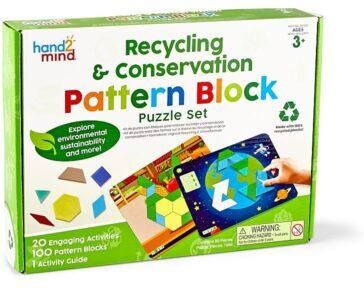
Scholastic Recycling & Conservation Pattern Block Puzzle SetFrom planting flowers to using less water, this set helps children learn the basics of sustainability and our environment. Children complete the 20 engaging activities, and the included Activity Guide provides tips on how to live a more sustainable...24,99 $*Shipping: 0,00 $Secure redirect to the provider
-
Inspire Daily Merch Newton Balance Pendulum Ball, Physical Science Toy, Energy Conservation Law Desktop Decoration For Office, Holiday Gift dDiscover the Fascinating World of Physics with the Newton Balance Pendulum Ball This Physical Science Toy is more than just a decorationit's a fun, interactive way to experience the Energy Conservation Law. Perfect for science enthusiasts, this...37,97 $*Shipping: 0,00 $Secure redirect to the provider
-
What is the difference between energy conservation and momentum conservation?
Energy conservation refers to the principle that the total energy in a closed system remains constant over time, meaning energy cannot be created or destroyed, only transferred or converted. Momentum conservation, on the other hand, states that the total momentum of a closed system remains constant if no external forces are acting on it. While energy conservation focuses on the total energy of a system, momentum conservation focuses on the total momentum of a system. Both principles are fundamental in understanding and analyzing physical systems, but they address different aspects of motion and energy transfer. **
-
What is energy conservation?
Energy conservation refers to the practice of reducing the amount of energy used while still achieving the same level of productivity or comfort. This can be achieved through various methods such as using energy-efficient appliances, improving insulation in buildings, and reducing unnecessary energy consumption. Energy conservation is important in order to reduce greenhouse gas emissions, lower energy costs, and preserve natural resources for future generations. **
-
What does charge conservation mean?
Charge conservation means that the total electric charge in a closed system remains constant over time. This principle is based on the fact that electric charge cannot be created or destroyed, only transferred from one object to another. In other words, the total amount of positive charge in a system must equal the total amount of negative charge. Charge conservation is a fundamental principle in physics and is essential for understanding the behavior of electric and magnetic fields. **
-
What is the connection between nuclear energy and conservation of energy?
Nuclear energy is a form of energy that is produced through nuclear reactions, typically in the form of nuclear fission or fusion. The conservation of energy principle states that energy cannot be created or destroyed, only transformed from one form to another. In the context of nuclear energy, this principle is upheld as the energy released from nuclear reactions is a result of the conversion of mass into energy, in accordance with Einstein's famous equation E=mc^2. Therefore, the connection between nuclear energy and conservation of energy lies in the fact that nuclear reactions demonstrate the transformation of mass into energy while adhering to the fundamental principle of energy conservation. **
Similar search terms for Conservation
-
Youfap Market Memory Foam Wedge, Couple Pillow For Intimacy & Support, Lumbar Neck Support Memory Foam Wedge, Couple Pillow For Intimacy & Support, Lumbar Neck SupportUltimate Comfort and Support for Intimacy Designed for couples seeking better comfort, the Couple Pillow for Intimacy & Support features a memory foam wedge that helps achieve the perfect position during intimate moments. Its unique shape promotes...99,97 $*Shipping: 0,00 $Secure redirect to the provider
-
Inspire Daily Merch Newton Balance Pendulum Ball, Physical Science Toy, Energy Conservation Law Desktop Decoration For Office, Holiday Gift cDiscover the Fascinating World of Physics with the Newton Balance Pendulum Ball This Physical Science Toy is more than just a decorationit's a fun, interactive way to experience the Energy Conservation Law. Perfect for science enthusiasts, this...37,97 $*Shipping: 0,00 $Secure redirect to the provider
-
What is the connection between the conservation of energy and death?
The connection between the conservation of energy and death lies in the principle that energy cannot be created or destroyed, only transformed from one form to another. In the context of death, the energy within a living organism is not lost but rather transformed. When a living organism dies, the energy that was once used for biological processes is released and dispersed into the environment through processes such as decomposition. This concept highlights the interconnectedness of all living things and the continual transformation of energy within the natural world. **
-
Can heterosexual women desire intimacy?
Yes, heterosexual women can desire intimacy. Intimacy is a fundamental human need and can be desired by individuals of any sexual orientation. Heterosexual women, like anyone else, may seek emotional, physical, and spiritual closeness with their partners. Intimacy can be an important aspect of a healthy and fulfilling relationship for heterosexual women. **
-
What is the connection between the conservation of energy principle and death?
The conservation of energy principle states that energy cannot be created or destroyed, only transferred or transformed. In the context of death, this principle suggests that the energy within living organisms is not lost but rather transformed into other forms after death. For example, the energy stored in our bodies is released as heat and transferred to the environment as we decompose. This connection highlights the idea that even in death, the energy that once sustained us continues to exist in different forms. **
-
What is the conservation of energy?
The conservation of energy is a fundamental principle in physics that states that energy cannot be created or destroyed, only transferred or transformed from one form to another. This means that the total energy in a closed system remains constant over time. In other words, energy can change from potential to kinetic, thermal, or other forms, but the total amount of energy in the system remains the same. This principle is crucial in understanding and analyzing various physical phenomena and is a cornerstone of many scientific theories and laws. **
* All prices are inclusive of VAT and, if applicable, plus shipping costs. The offer information is based on the details provided by the respective shop and is updated through automated processes. Real-time updates do not occur, so deviations can occur in individual cases. ** Note: Parts of this content were created by AI.